NEWS
JAPAN STUDY: ANCIENT WINES PROBABLY MADE FROM RAISINS NOT GRAPES
By Staff Reporter
1-12-2025
Source: Unsplash
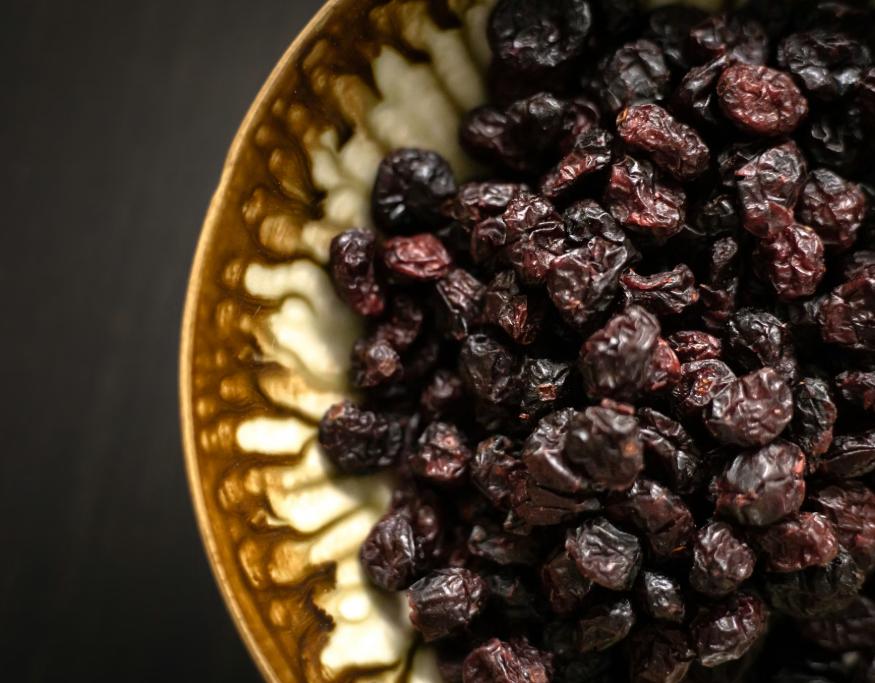
Ancient wines may have been made by naturally fermenting sun-dried raisins, according to recent research findings revealed by a team from Kyoto University which was recently published on the scientific journal Nature.
Wines are now made by fermenting grape juice with wine yeast, however, the low amount of wine yeast in grape skin has raised questions about how they were made in ancient times when commercial wine yeasts were not available.
A Kyoto University Graduate School of Agriculture team led by Professor Wataru Hashimoto first confirmed that a significant amount of wine yeast is contained in raisins.
Their ability to produce alcohol was also higher than that of the wine yeast present in grapes. By soaking the raisins in water and keeping them at 25 degrees Celsius, the team could see bubbles produced by yeast in the fermentation process on the third day, and an ethanol concentration of 8 percent had been reached by the fourteenth day.
Next, they experimented with three drying methods to make raisins from table grapes: from drying machine, sun-drying, and a combination of the two known as semi-sun drying. The raisins were then put into three jars, soaked in water, and observed for fermentation.
While some jars with raisins from the drying machine and semi-sun drying showed no bubbling, all jars with sun-dried raisins did.
New types of wine yeast that were not present before sun-drying were detected, and the ethanol content was more than 10 times higher than that of the raisins dried using a machine.
While it cannot compare to commercial beverages, graduate student Mamoru Hio commented, "Some of it was suitable for drinking."
Following the results, the team aims to further investigate the factors that allow wine yeast to settle during the sun-drying process, with Hio saying, "It's possible we can create unprecedented flavours using multiple yeasts or ones that haven't been used before."
Professor Hashimoto also expressed hope, saying, "If ethanol can be produced, we might be able to make biofuels from nonstandard products which may help with food loss reduction."
(the writer can be contacted at: info@thewinechronicle.com)
ALL RIGHTS RESERVED
**IF YOU THINK THE WINE CHRONICLE IS WORTH SUPPORTING, PLEASE MAKE A DONATION TO HELP US IMPROVE AND CONTINUE OUR WORK**
TRENDING│ FOCUS│ MISSION│ ABOUT US│ CONTACT
|