NEWS
JAPAN’S DRINKS GIANTS BRACE FOR LANDMARK TAX OVERHAUL
By Staff Reporter
3-7-2026
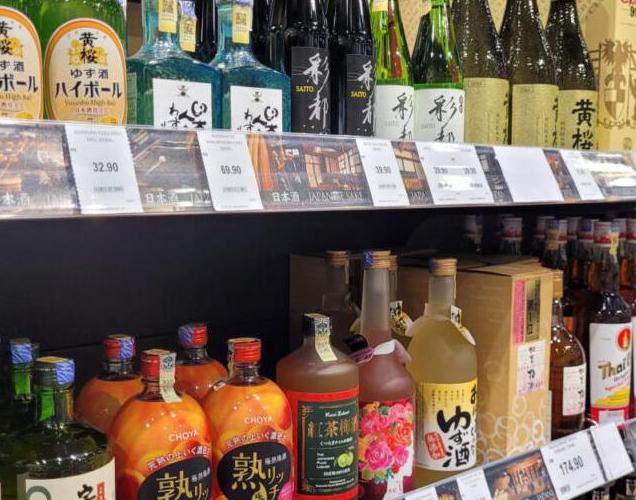
Source: Mybartender.com
Japan’s brewers, retailers and hospitality operators are implementing sweeping operational and pricing adjustments ahead of a historic national liquor tax reform taking effect on 1 October, marking the country’s most significant alcohol taxation reset in decades.
The Ministry of Finance policy unifies long-segregated tax rates for beer, low-malt happoshu and third-category malt beverages under a single flat levy of ¥155,000 (USD961.78) per kiloliter. The overhaul eliminates the wide tax loopholes that underpinned Japan’s budget malt drink market for 20 years.
Under the new structure, traditional full-malt beer will receive a moderate tax reduction, lowering per-can retail pressure for standard lagers.
In contrast, popular low-malt happoshu and third-category beer products will face notable tax increases, erasing their long-standing price advantage for cost-sensitive households. Ready-to-drink fruit chu-hai beverages will also incur higher statutory taxes.
Major domestic brewers including Asahi, Kirin, Suntory and Sapporo have accelerated product reformulations and repricing to align with the new tax framework.
Multiple mass-market low-malt lines are being upgraded to official beer classifications with higher malt content, allowing manufacturers to benefit from reduced beer taxation.
Brewers are also restructuring wholesale pricing portfolios, cutting margins on core beer ranges while adjusting prices on newly taxed low-malt and ready-to-drink (RTD) lines.
Retailers have initiated pre-emptive inventory and promotional strategies ahead of the deadline.
Supermarkets and convenience store chains are rolling out discounted bulk promotions for happoshu and third-category beers throughout September, anticipating consumer stockpiling before cost hikes take hold.
Retail associations have mandated full updates to in-store pricing systems, shelf labelling and e-commerce listings for the October transition.
On-premise izakayas and bar operators are renegotiating supplier contracts and building pre-reform inventory stockpiles to mitigate menu price volatility in the final quarter of 2026.
The industry shift is triggering cross-category ripple effects across Japan’s broader alcohol market.
Sake and flavoured shochu producers are positioning low-alcohol, fruit-forward lines as affordable alternatives to pricier budget malt drinks.
Imported wine distributors expect modest household demand growth, as consumer spending previously dedicated to low-cost beer alternatives gradually shifts to entry-level imported table wines.
Trade groups say the tax unification will end the industry’s decades-long “tax-driven product competition,” in which manufacturers optimised formulas to fit lower-tax brackets.
The reform is expected to refocus market rivalry on quality, flavour and product differentiation, creating improved market conditions for craft breweries and premium beer lines.
Economists project short-term household alcohol cost inflation in Q4 2026, followed by gradual consumption stabilisation as pricing parity settles across malt beverage categories.
(the writer can be contacted at: info@thewinechronicle.com)
ALL RIGHTS RESERVED
**IF YOU THINK THE WINE CHRONICLE IS WORTH SUPPORTING, PLEASE MAKE A DONATION TO HELP US IMPROVE AND CONTINUE OUR WORK**
TRENDING│ FOCUS│ MISSION│ ABOUT US│ CONTACT
| 