NEWS
JAPAN’S LANDMARK LIQUOR TAX OVERHAUL TAKES EFFECT 1 OCTOBER
By Staff Reporter
2-10-2026
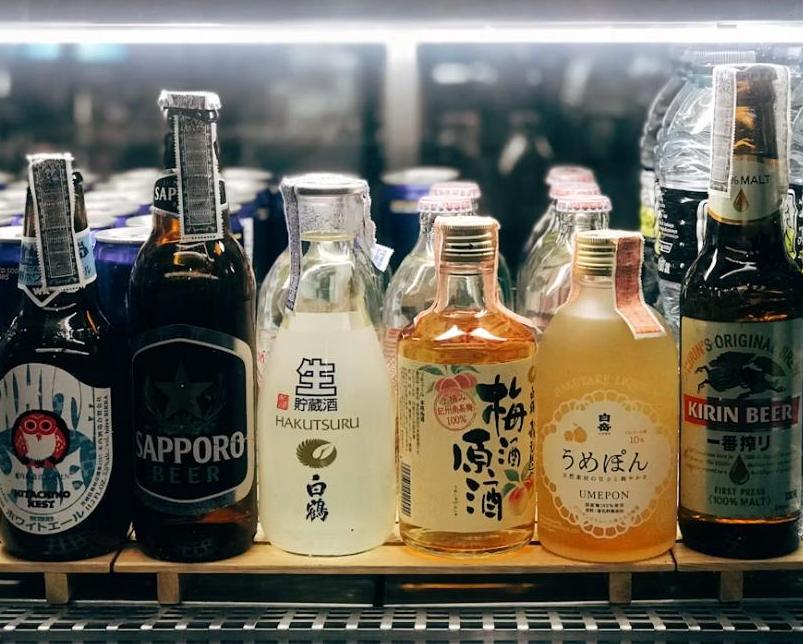
Credit: ladysaturday/Unsplash
Japan’s multi-year liquor tax reform enters its final phase yesterday, unifying tax rates for beer, low malt happoshu and third-category beer for the first time and rewriting the competitive rules for the country’s beer and ready-to-drink alcohol sector.
Under the Ministry of Finance’s reform, all three beer-style beverage categories now carry a standard liquor tax of ¥54.25 (USD0.343) per 350ml can.
Traditional full-malt beer receives a tax cut of roughly ¥9.1 per can, while happoshu and third-category low malt alternatives face a ¥7.26 tax increase per unit.
Canned chuhai and other RTD shochu-based drinks also see higher tax levies starting this week. Sake, shochu and Japanese whisky remain untouched by this round of adjustments.
The reform was first legislated in 2018 and rolled out in three stages starting 2020, designed to eliminate the wide tax gap that had fuelled the boom of cheaper low malt beer substitutes over the past two decades.
Retailers across Japan reported a sharp pre-October stockpiling wave throughout September. Many supermarkets created dedicated bulk-buy aisles for happoshu and third-category beer, with some stores recording sales surges of up to 1.5 times normal volumes as consumers locked in lower pre-reform prices.
Major brewers are adapting product portfolios to fit the new tax landscape. Suntory has reformulated its Kinmugi malt beverage to meet full beer brewing criteria, reclassifying it from third-category beer to qualify for the reduced beer tax bracket.
Industry analysts expect the narrowing price gap between regular beer and low-malt alternatives to gradually shift consumer preference back toward authentic malt beer.
For bars and restaurants, keg beer tax cuts will lower wholesale costs, though operators warn that broader overhead pressures may limit retail price reductions for patrons.
Trade observers note the reform is primarily focused on domestic beer and RTD categories, leaving Japan’s high-value premium spirits and sake export business unaffected.
Japanese whisky and craft shochu, which have enjoyed strong overseas demand, will continue to operate under existing tax rules.
Market watchers will track consumer behaviour over the coming months to gauge whether the tax overhaul permanently reshapes Japan’s mature alcoholic beverage market.
(the writer can be contacted at: info@thewinechronicle.com)
ALL RIGHTS RESERVED
**IF YOU THINK THE WINE CHRONICLE IS WORTH SUPPORTING, PLEASE MAKE A DONATION TO HELP US IMPROVE AND CONTINUE OUR WORK**
TRENDING│ FOCUS│ MISSION│ ABOUT US│ CONTACT
|